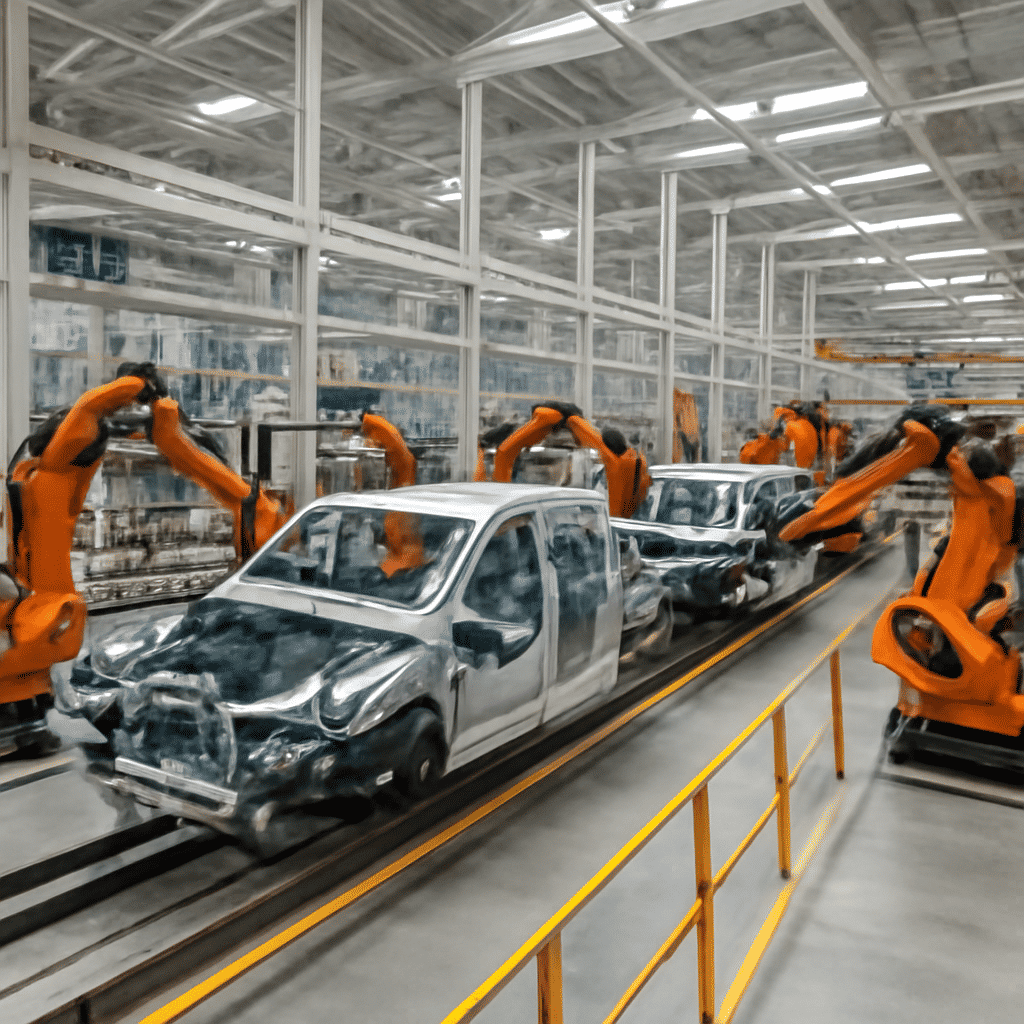
The automotive industry is on the brink of a revolutionary transformation, driven by a combination of technological advancements, innovation in materials, and a shift toward sustainable practices. As we step into 2024, the landscape of automotive manufacturing is evolving rapidly, introducing advanced techniques that are setting new standards for efficiency, quality, and environmental responsibility.
1. Additive Manufacturing and 3D Printing:
Additive manufacturing, or 3D printing, continues to redefine how components are designed and produced. This technique allows for the creation of complex geometries that were previously impossible or economically unfeasible through traditional methods. In 2024, manufacturers are increasingly using 3D printing for prototyping, custom parts production, and even end-use components. This approach not only reduces material waste but also accelerates the design-to-production timeline, enabling rapid iterations and enhancements in vehicle design.
2. Advanced Robotics and Automation:
The integration of advanced robotics and AI-driven automation is elevating the precision and efficiency of automotive manufacturing. In assembly lines, collaborative robots (cobots) are working alongside human operators, enhancing productivity and safety. These robots are equipped with advanced sensors and machine learning algorithms, allowing them to adapt to various tasks and work environments. This seamless collaboration reduces downtime and increases the overall quality of production.
3. Smart Factories and Industry 4.0:
The concept of smart factories, underpinned by Industry 4.0 principles, is becoming the norm in automotive manufacturing. Connected devices and the Internet of Things (IoT) enable real-time monitoring and optimization of production processes. Digital twins, virtual replicas of physical assets, are being used to simulate and improve manufacturing workflows before implementation, minimizing disruption and maximizing efficiency. This interconnectedness allows manufacturers to predict maintenance needs, reduce energy consumption, and ensure optimal resource utilization.
4. Lightweight Materials and Hybrid Construction:
As the automotive industry moves towards electrification and enhanced fuel efficiency, the demand for lightweight materials is increasing. Advanced materials such as carbon fiber, high-strength steel, and aluminum alloys are being used in combination to reduce vehicle weight without compromising safety or performance. In 2024, hybrid construction methods that combine these materials are enabling manufacturers to produce lighter, more durable, and sustainable vehicles.
5. Sustainable Manufacturing Practices:
Sustainability is at the forefront of today's manufacturing innovations. Automotive companies are implementing eco-friendly practices by utilizing renewable energy sources, minimizing waste through closed-loop recycling, and reducing emissions throughout the supply chain. Water-based paints, biodegradable components, and upcycled materials are just a few examples of how sustainability is being woven into the fabric of automotive manufacturing, aligning with global commitments to reduce carbon footprints.
6. Customization through Flexible Manufacturing:
The demand for personalized vehicle features is pushing manufacturers to adopt flexible manufacturing systems. Advanced techniques in data analytics and AI allow for mass customization without sacrificing efficiency. Automated adjustments in production lines enable manufacturers to seamlessly switch between different vehicle configurations, catering to diverse consumer preferences and enhancing brand appeal.
7. Battery Production and Integration:
With the rise of electric vehicles (EVs), advancements in battery manufacturing and integration are critical. In 2024, manufacturers are focusing on improving battery energy density, reducing charging times, and extending battery life. Solid-state batteries and advanced thermal management systems are emerging as potential game-changers in this domain, promising enhanced performance and safety.
In conclusion, the automotive manufacturing techniques of 2024 are characterized by innovation, efficiency, and a commitment to sustainability. As these advanced methods continue to evolve, they will not only shape the future of the automotive industry but also redefine consumer expectations and the role of vehicles in our lives. The careful integration of these technologies not only prepares the industry for immediate challenges but also paves the way for a more dynamic and responsible automotive future.