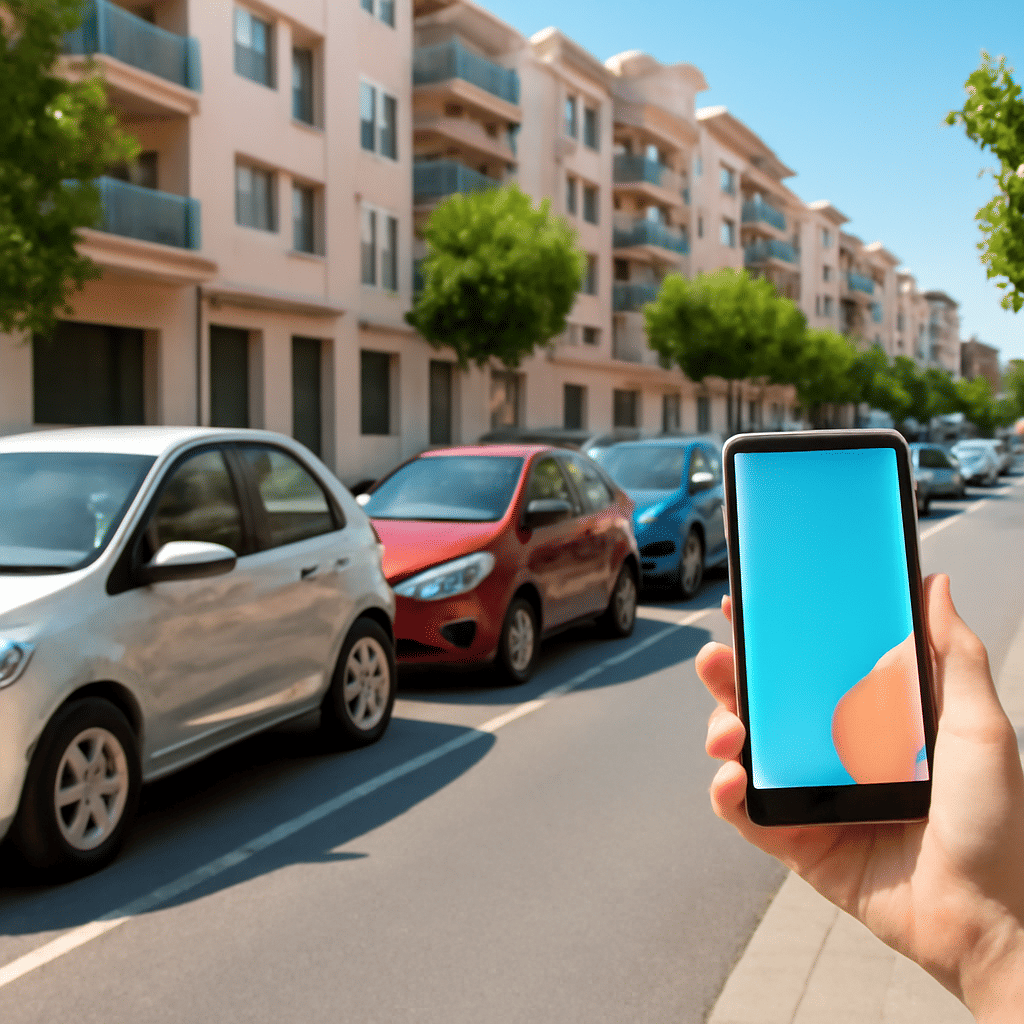
In 2024, the landscape of urban mobility is undergoing a transformative shift through the burgeoning carsharing revolution. As cities grapple with congestion, pollution, and the demand for sustainable transportation solutions, carsharing is emerging as a key player in redefining how people view and use vehicles.
Carsharing platforms have grown exponentially in size and sophistication, employing advanced technologies to better serve consumers. Innovations such as AI-driven fleet management, seamless user interfaces, and enhanced vehicle accessibility are making carsharing more appealing than ever. These platforms are not just offering vehicles on-demand; they are integrating various modes of transport, including electric bikes and scooters, into cohesive mobility solutions.
To facilitate this sweeping change, governments and municipalities are rolling out supportive policies designed to encourage carsharing and its associated benefits. Cities are investing in carsharing infrastructure by providing dedicated parking spaces and expanding electric vehicle (EV) charging networks. In some areas, authorities are offering tax incentives to carsharing operators, effectively lowering costs and making these services more competitive compared to private car ownership.
One of the central drivers behind the carsharing revolution in 2024 is the increasing emphasis on sustainability. As the world becomes more environmentally conscious, consumers are actively seeking ways to reduce their carbon footprints. Carsharing offers an attractive alternative by minimizing the need for individually owned vehicles, reducing urban congestion, and promoting the use of fuel-efficient and electric vehicles within fleets.
Moreover, carsharing companies are refining their business models by forging partnerships with ride-hailing services, public transit systems, and micro-mobility providers. This integration creates vast networks of shared mobility options, allowing users to plan seamless door-to-door journeys with a single app. These comprehensive mobility packages cater to a broad range of consumer needs, from daily commutes to weekend getaways, without the burden of ownership.
Community-focused initiatives are also playing a pivotal role in driving the carsharing movement forward. Shared mobility hubs are burgeoning in urban areas, creating spaces where residents can access different transport modes conveniently. These hubs often incorporate digital kiosks for bookings, eco-friendly charging stations, and even community events that encourage shared use practices and raise awareness about sustainable living.
Despite the evident advantages, the carsharing industry faces several challenges in 2024. Ensuring equitable access across diverse demographics and geographies remains a key concern, with rural and lower-income urban areas often underserved. Addressing these gaps requires targeted policy interventions and collaboration between public and private sectors to expand reach and affordability.
Moreover, as carsharing services expand, data privacy and cybersecurity become increasingly vital. With sensitive user data crucial to customizing experiences and tailoring services, platforms must invest in robust systems to safeguard consumer information.
As cities continue to adapt to new mobility paradigms, carsharing is poised to become a mainstay in the urban transportation ecosystem. By fostering a culture of sharing and optimizing vehicle usage, we can expect a considerable reduction in traffic-related woes, contributing to more livable and sustainable urban environments. As 2024 unfolds, the carsharing revolution is set to accelerate, reshaping not just how we move, but how we conceive urban life itself.