Sustainable transport has increasingly become a focal point for governments, companies, and individuals aiming to reduce environmental impact and improve quality of life. The shift towards greener modes of mobility, however, is met with a distinct set of challenges. Despite this, recent achievements underscore a promising trajectory for the sector's growth.
One of the primary challenges in sustainable transport is the high upfront cost associated with developing and implementing green technologies. Electric vehicles (EVs) and infrastructure, like charging stations, require substantial investment. Moreover, public transportation systems that adopt sustainable practices often face financial constraints. However, innovative financing models and government incentives are helping to mitigate these costs, promoting wider adoption.
Another challenge lies in the entrenched utility of conventional vehicles and fuel sources. The transition to sustainable transport is complex due to the existing infrastructure and consumer behavior leaning heavily towards conventional sources. To tackle this, cities worldwide are investing in education and outreach campaigns to highlight the benefits of sustainable options over traditional modes.
Urban planning also presents obstacles as many cities were designed with car-centric infrastructure, making it difficult to incorporate more pedestrian and cyclist-friendly spaces. Cities now need to rethink urban layouts, devising plans that prioritize green spaces and public transit. Fortunately, major urban centers are introducing extensive cycling networks and pedestrian zones, signaling a shift in planning priorities.
On the achievement front, electric vehicles have seen a surge in popularity and usage. Major automotive companies have committed to ramping up production of EVs, responding to increasing consumer demand and environmental regulations. Innovations in battery technology are making electric vehicles more affordable and efficient, extending their range and reducing charge times.
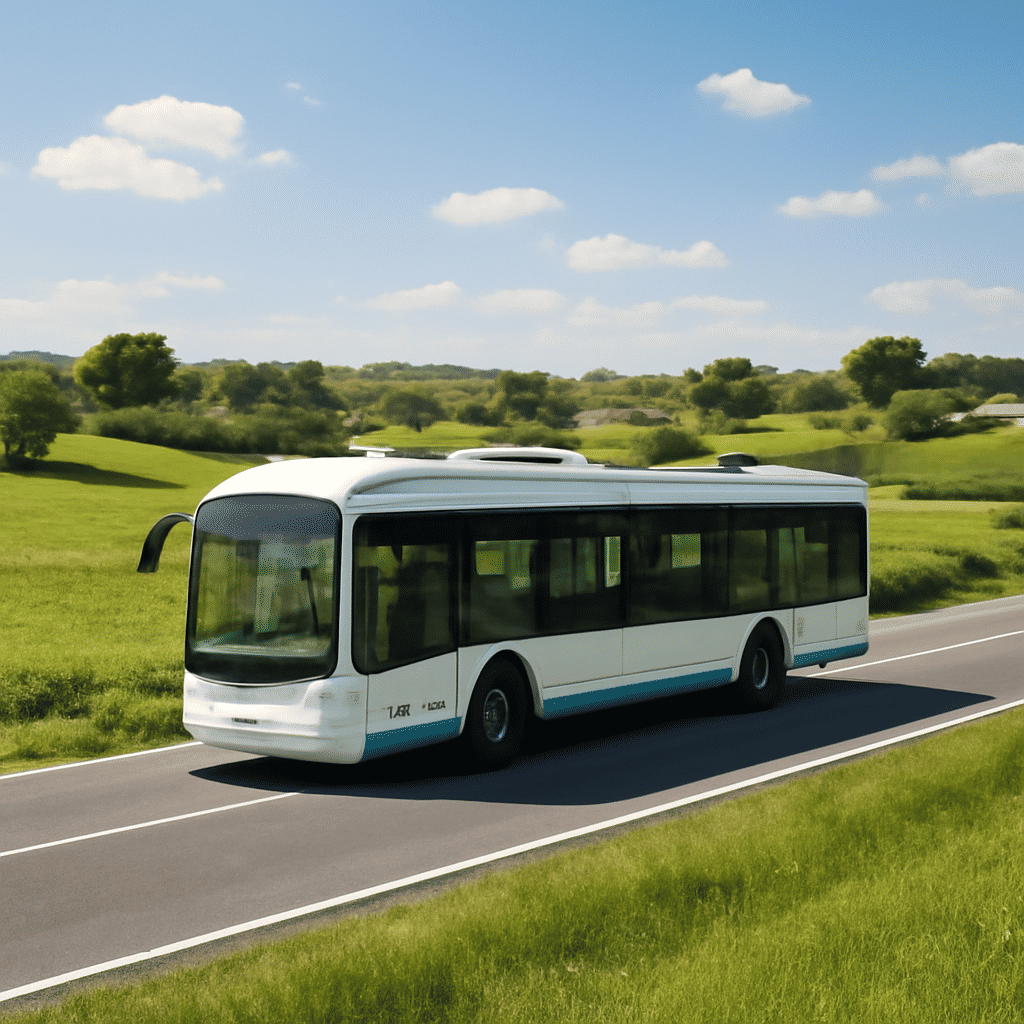
Public transportation systems are increasingly adopting sustainable practices, too. Cities like Vienna, Singapore, and Tokyo have introduced fleets of electric buses and trams, greatly reducing carbon emissions and improving air quality. Additionally, the advent of e-scooters and bike-sharing initiatives has enhanced first-and-last-mile connectivity, encouraging more people to opt for public transport systems.
Policy advancements are also fueling progress in sustainable transport. Government regulations incentivizing green energy usage and stricter emissions standards have forced industries to innovate. Additionally, international agreements aiming at carbon neutrality are providing a robust framework for collaborative efforts in sustainable transport initiatives.
Lastly, technological innovation continues to lead the charge in overcoming challenges in sustainable transport. Breakthroughs in renewable energy sources, autonomous vehicles, and smart grid technologies are paving the way for more efficient, reliable, and accessible transportation networks.
In conclusion, while significant challenges remain in the realm of sustainable transport, recent achievements highlight the industry's resilience and potential for growth. A combination of technological advancements, strong policy frameworks, and increased public awareness are charting a course toward a more sustainable future in transport, benefitting not only urban environments but the global community as a whole.