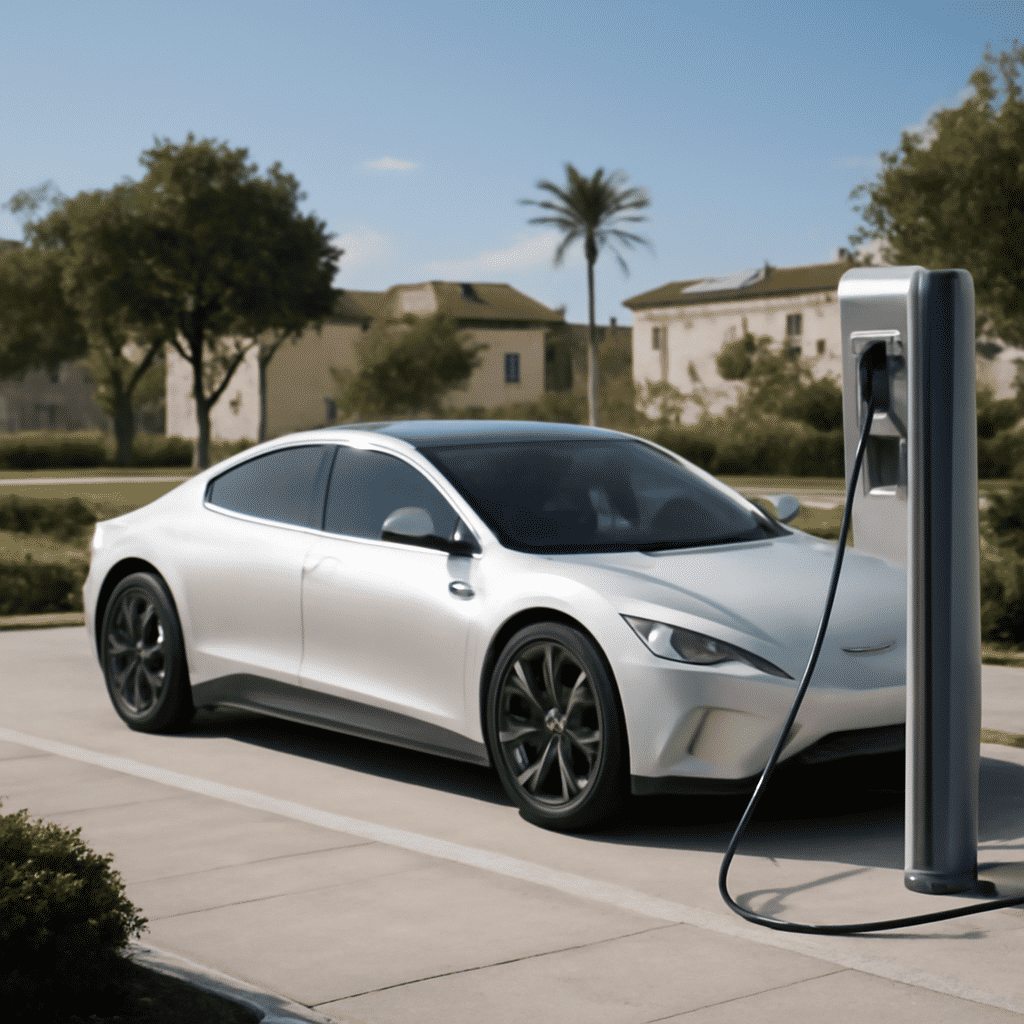
In recent years, the automotive industry has witnessed a revolutionary shift, ushered in by the rise of electric vehicles (EVs). Representing the pinnacle of sustainability and energy efficiency, today's advanced electric vehicles combine cutting-edge technology with eco-friendly design, setting a new standard for the future of transportation.
At the core of any electric vehicle is its battery technology. Modern EV batteries are predominantly lithium-ion-based, known for their high energy density, longevity, and rapid charging capabilities. Engineers and scientists are continually pushing the boundaries, exploring solid-state batteries and novel materials to enhance storage capacity and charging speed, reducing the time drivers spend tethered to charging stations.
Beyond the battery, the efficiency of electric motors is another marvel. These motors convert electrical energy into mechanical energy with a much higher efficiency rate than traditional internal combustion engines. In doing so, EVs are not only more environmentally friendly but also offer superior performance metrics, including quicker acceleration and quieter operation. This results in a smoother and more enjoyable driving experience, encouraging more drivers to make the switch.
The infrastructure supporting electric vehicles is also rapidly evolving. Charging networks are expanding globally, with fast-charging stations becoming more prevalent in urban and rural areas alike. Innovations such as wireless charging and vehicle-to-grid technology offer exciting possibilities for the future, allowing EVs to interact dynamically with the electrical grid, potentially serving as mobile energy storage units that stabilize the grid during peak usage times.
One of the most compelling arguments for transitioning to electric vehicles is their minimal environmental impact. EVs produce zero tailpipe emissions, an essential factor in reducing air pollution in densely populated areas. Furthermore, as renewable energy sources like solar and wind become more integrated into national grids, the carbon footprint of EVs continues to decrease, aligning with global green initiatives and climate goals.
Additionally, manufacturers are taking an end-to-end approach to sustainability. Many companies are focusing on producing their vehicles using recycled and sustainable materials, from upholstery and dashboards to the metals used in battery construction. This holistic approach ensures that the environmental benefits of driving an EV extend throughout the vehicle's entire lifecycle.
Aside from environmental benefits, electric vehicles also promise significant economic advantages. Lower maintenance costs, primarily due to fewer moving parts, and savings on fuel contribute to reduced total ownership costs, making EVs an appealing choice for cost-conscious consumers.
In conclusion, the advanced electric vehicles of today are at the forefront of a fulfilling, sustainable, and energy-efficient mobility revolution. By prioritizing technological innovation and environmental responsibility, these EVs offer a compelling vision of a cleaner, greener future, inspiring consumers and shaping the modern transport ecosystem for decades to come.